
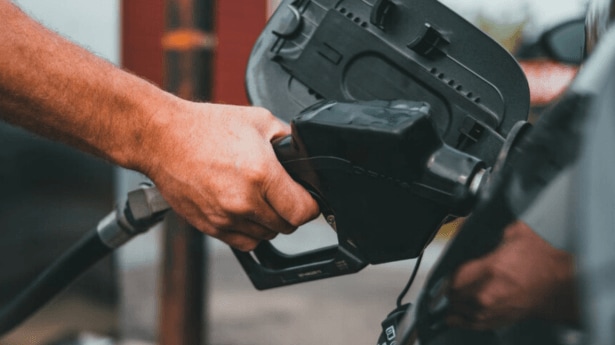
Precision engineering defines every aspect of a Mercedes-Benz powertrain, from hand-assembled performance blocks to daily commuter engines. To preserve the calibration of these sophisticated systems, utilizing the correct fuel grade is a fundamental requirement of ownership. Every gasoline-powered model from the brand is engineered to operate exclusively on premium unleaded gasoline with a minimum octane rating of 91 octane. This specification is not merely a recommendation for enhanced performance; it is a strict factory requirement designed to ensure long-term mechanical reliability and prevent costly internal wear.
For a daily commute past the University of Kentucky campus or weekend trips to Keeneland in Lexington, maintaining engine health begins at the fuel pump. The internal combustion process in these vehicles relies on highly controlled environments where fuel volatility must match the exact timing of the ignition system. Utilizing lower-grade fuels disrupts this balance, forcing the engine control unit to constantly adjust to prevent damage. Over time, ignoring the premium fuel mandate can result in carbon buildup, reduced efficiency, and accelerated wear on critical internal components.
When managing the maintenance schedule of a luxury vehicle, relying on factory-trained expertise is the most reliable way to protect your investment. If you are unsure about the specific fuel requirements or notice any changes in how your engine runs, consulting with our certified technicians can prevent minor issues from becoming major repairs. To speak directly with a service advisor, you can reach our team by giving us a quick call or visiting our Lexington service center to discuss your vehicle's maintenance needs.
The Science of Octane and Why High-Compression Motors Demand Premium Fuel
Understanding why luxury powertrains depend on high-grade fuel requires looking at the physical forces inside the combustion chamber. The term octane rating measures a fuel's stability and its resistance to pre-ignition, which is also known as engine knocking or pinging. High-performance engines are designed with a high compression ratio, meaning they compress the air-fuel mixture much more intensely before ignition occurs. This intense compression maximizes thermodynamic efficiency, allowing the engine to extract more energy from every drop of fuel.
When a low-octane fuel is introduced into a high-compression environment, the heat and pressure alone can cause the fuel to ignite prematurely, before the spark plug fires. This uncontrolled secondary explosion collides with the rising piston, creating a metallic knocking sound and sending shockwaves through the engine block. Modern engines utilize sensitive sensors to detect this pre-ignition and will immediately alter ignition timing to protect the pistons, but this adjustment comes at the cost of power and efficiency.
Over time, the repeated stress of pre-ignition can degrade vital components, including pistons, cylinder walls, and spark plugs. To maintain the precise tolerances of your powertrain, always consult your owner's manual and use only the specified fuel grade. If you require replacement ignition components or specialized fuel system additives, our parts department stocks genuine OEM components designed specifically for your vehicle. For physical assistance or a comprehensive engine diagnostic, you can find directions to our facility to speak with our technical team in person.
Comparing Fuel Specifications Across the Mercedes-Benz Lineup
Every gasoline engine across the modern lineup is optimized for premium fuel, though the mechanical demands vary depending on the displacement and configuration. For instance, the compact 2.0-liter inline-four engine found in the GLC SUV utilizes turbocharging to produce 255 hp while maintaining an efficient profile. Because turbocharged engines force pressurized air into the cylinders, they create high-stress environments that require the stability of premium fuel to operate safely and deliver their rated towing capacity of up to 3,500 pounds.
As you move up to larger displacements, the requirements become even more pronounced. The 3.0-liter inline-six engine, which powers vehicles like the E-Class sedan and the GLE SUV, produces up to 429 hp in the performance-tuned AMG GLE 53 configuration. These high-output engines rely on immediate throttle response and high boost pressures, making fuel stability critical under heavy acceleration. In extreme cases, such as the handcrafted AMG models like the AMG E53 which produces 577 hp, the engine calibration is optimized to deliver maximum performance when using 93 octane, though 91 octane remains the minimum allowable standard.
| Vehicle Model | Engine Displacement | Horsepower | Minimum Octane Requirement |
|---|---|---|---|
| GLC 4MATIC SUV | 2.0L Inline-4 | 255 hp | 91 Octane |
| E-Class E450 | 3.0L Inline-6 | 375 hp | 91 Octane |
| AMG GLE 53 | 3.0L Inline-6 | 429 hp | 91 Octane |
| AMG E53 | 3.0L Inline-6 | 577 hp | 91 Octane |
To explore the detailed mechanical specifications and fluid requirements of each model, you can review our comprehensive guides on our model research main page. Keeping up with these factory specifications ensures your vehicle continues to deliver the refined ride and power you expect. For ongoing maintenance support and seasonal service opportunities, be sure to check our current special offers to keep your vehicle running at peak efficiency.
What Happens Inside a Turbocharged Engine When Using Lower Octane Fuel
When a driver introduces regular gasoline into a modern turbocharged engine, a complex sequence of electronic and mechanical compensations begins immediately. The engine control unit constantly monitors combustion via highly sensitive knock sensors bolted to the engine block. The moment these sensors detect the vibrations of pre-ignition, the computer intervenes by retarding the ignition timing, delaying the spark to allow the piston to begin its downward stroke before combustion occurs.
While this electronic safeguard prevents immediate catastrophic failure, it alters the entire combustion cycle. Delaying the spark means the fuel burns less efficiently, resulting in unburnt hydrocarbons escaping into the exhaust system, which can eventually damage the catalytic converter. Drivers will notice a significant drop in acceleration, sluggish throttle response, and a drop in fuel economy. The engine may also sound louder or rougher under load, as the computer struggles to balance timing against unstable fuel.
These electronic adjustments are designed as temporary safety measures, not as a permanent operating state. Running an engine continuously on retarded timing increases exhaust gas temperatures, puts extra thermal stress on the turbocharger, and accelerates carbon buildup on the intake valves. While commercial diesel platforms, such as those in our Sprinter inventory, operate on entirely different combustion principles, gasoline passenger vehicles must strictly adhere to the premium fuel mandate to avoid long-term mechanical degradation.
The Risks of Regular Gasoline and Managing Emergency Fuel Scenarios
If you find yourself with a low fuel light while driving along the rolling hills of Jessamine County near Nicholasville and are forced to use a lower-grade fuel at a local station, immediate precautions are necessary. A single instance of pumping regular gasoline will not destroy a modern engine, provided you adjust your driving habits immediately. The key is to minimize engine load to prevent the conditions that trigger pre-ignition in the first place.
When operating on regular fuel in an emergency, avoid hard acceleration, steep climbs, and towing. Drive conservatively, keeping the engine speed low and avoiding high-boost situations where the turbocharger compresses the intake air. As you consume the fuel, top off the tank with 93 octane premium gasoline as soon as space allows to dilute the lower-grade fuel and restore the overall octane level of the tank.
For severe fuel mishaps, such as accidentally pumping diesel into a gasoline tank, do not attempt to start the engine. Starting the car will draw diesel into the highly sensitive fuel injectors and high-pressure fuel pump, leading to extensive fuel system damage. In these critical situations, utilize your manufacturer-backed emergency services to tow the vehicle to an authorized service center for a professional fuel system flush.
Mercedes-Benz Roadside Assistance: 1-800-367-6372
Our certified technicians can safely drain the contaminated fuel, inspect the fuel lines, and ensure no damage has occurred to the internal components. For more practical ownership advice and maintenance tips, you can explore the technical articles on our blog to stay informed about proper vehicle care.
Common Questions About Mercedes-Benz Fuel and Engine Care
Q: Does the Mercedes-Benz AMG high-performance line require an even higher octane level?
A: While all gasoline-powered models require a minimum of 91 octane, AMG high-performance engines are specifically calibrated to deliver their maximum advertised horsepower and torque when using 93 octane premium gasoline. Utilizing 91 octane is perfectly safe and meets all factory warranty standards, but 93 octane provides the highest resistance to pre-ignition under heavy track or performance driving conditions.
Q: What is the difference between 91 and 93 octane premium gas?
A: The primary difference is the fuel's chemical stability under extreme pressure and heat. Both grades are classified as premium fuel, but 93 octane offers a slightly higher threshold of resistance to premature detonation, which is beneficial for high-output turbocharged or supercharged engines operating under heavy loads or in hot climates.
Q: Is Top Tier fuel recommended by Mercedes-Benz?
A: Yes, the manufacturer strongly recommends using Top Tier detergent gasoline. This fuel standard contains proprietary additives that prevent the accumulation of carbon deposits on fuel injectors, intake valves, and combustion chambers, which is critical for maintaining the efficiency of direct-injection engines.
Q: Does premium gas noticeably change how a Mercedes accelerates or sounds?
A: Yes, using the required premium fuel ensures the engine control unit can run optimal ignition timing, which delivers smooth, linear acceleration and the full rated power of the engine. If lower-octane fuel is used, the retarded timing can cause a noticeable drop in throttle responsiveness and may introduce an audible metallic pinging or rough idle.
Q: Will using the wrong fuel grade void my Mercedes-Benz warranty?
A: Damage resulting from the use of improper, substandard, or contaminated fuel is generally not covered under the New Vehicle Basic Warranty. Adhering to the fuel specifications outlined in your operator's manual is essential for protecting your engine and maintaining your warranty coverage.
To keep your vehicle performing as designed, our team is always ready to assist with factory-recommended maintenance and diagnostics. You can easily plan your next visit using our online service scheduler to secure a convenient time. If you are looking to transition to an electric powertrain or need assistance locating a specific model, our car finder tool can help streamline your search. To learn more about our commitment to exceptional service and our history in the community, feel free to read more about us online.


