
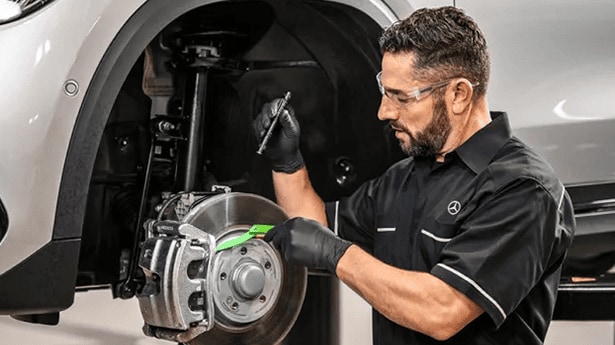
Maintaining the sophisticated engineering of a modern luxury vehicle requires a proactive approach that transcends traditional oil changes. For most 2009 and newer models, including the 2026 Mercedes-Benz C-Class Sedan, the manufacturer utilizes a standardized maintenance schedule built around alternating intervals. This system, often referred to as the Flexible Service System, is designed to simplify ownership while ensuring that every critical component—from the 2.0L inline-4 turbo with mild hybrid drive to the intricate braking systems—receives professional attention at precisely the right time.
The schedule begins with Service A, which is typically due at 10,000 miles or one year of ownership, whichever occurs first. Following this initial milestone, the vehicle transitions to Service B at the 20,000-mile or two-year mark. These two service types then alternate for the duration of the vehicle's life. This rhythmic cadence allows our certified technicians to monitor wear patterns and address minor adjustments before they evolve into complex repairs. For those navigating the rolling hills and horse farms surrounding Lexington, adhering to these intervals is essential for preserving the "like-new" performance of your vehicle.
If you have questions about your specific model's service countdown, which appears directly in your instrument cluster, you can give our team (859) 268-1150 a quick call for clarification. Our technicians are trained to interpret these diagnostic codes and can help you determine exactly which maintenance phase your vehicle is entering. When your dashboard indicates that service is due, the most efficient way to maintain your vehicle's integrity is to use our online service scheduler to secure a time that fits your professional calendar. For those visiting us for the first time, our service center location is conveniently situated to serve the greater Bluegrass region.
Deciphering the Milestones: Key Differences Between Service A and Service B
While both maintenance intervals share a core set of procedures, Service B represents a more comprehensive deep-dive into the vehicle's mechanical health. The primary distinction lies in the scope of the inspections and the specific components replaced. Service A is often viewed as the essential "check-up" that focuses on the engine's lubrication and a broad safety sweep. In contrast, Service B includes everything found in Service A but adds critical tasks such as the replacement of the cabin dust/combination filter and a complete brake fluid exchange.
The inclusion of the cabin filter replacement during Service B is particularly relevant for drivers in Nicholasville, where seasonal pollen and dust from surrounding agricultural areas can quickly saturate filtration media. A fresh filter ensures the MBUX digital cockpit environment remains pristine and the climate control system operates at peak efficiency. Furthermore, the brake fluid exchange is a technical necessity; brake fluid is hygroscopic, meaning it naturally absorbs moisture over time. This moisture can lower the boiling point of the fluid and cause internal corrosion within the calipers and master cylinder, potentially compromising the Active Brake Assist performance.
Because Service B involves more labor-intensive procedures and additional genuine parts, it is naturally more extensive than the Service A visit. To help manage the long-term costs of ownership, many of our clients utilize our online payment tool to budget for their anticipated maintenance needs or explore prepaid maintenance packages. Regardless of which interval your vehicle requires, our on-site parts department ensures that only factory-approved synthetic oils and fleece oil filters are used, maintaining the strict standards required by your 4-year / 50,000-mile basic warranty.
A Closer Look at Mercedes-Benz Service A: Essential First-Year Care
Service A serves as the first major touchpoint between your vehicle and our specialized diagnostic equipment. During this visit, our technicians perform a synthetic motor oil replacement and install a new OEM oil filter. This is vital for high-performance engines like the handcrafted powerplants found in the AMG C 43 Sedan, which require specific oil viscosities to manage the heat generated by an electric exhaust-gas turbocharger. Beyond the oil service, we conduct a thorough inspection of all fluid levels—including coolant, power steering, and washer fluid—correcting them to factory specifications.
A significant portion of Service A is dedicated to safety and preventative care. Our team performs a detailed brake component inspection, checking pad thickness and rotor condition. We also verify tire inflation pressures, including the spare, and reset the Tire Pressure Monitoring System. This ensures that your vehicle's safety systems, such as the PRE-SAFE® technology, are supported by mechanically sound hardware. For professionals who utilize high-capacity vehicles for their business, we also apply these rigorous standards to our commercial van service, ensuring that work vehicles remain as reliable as our passenger sedans.
Once all mechanical tasks are completed, we reset the maintenance counter in the vehicle’s computer system. This step is crucial because it restarts the countdown for your next alternating service. If you are currently looking for a specific model that has already reached its first service milestone, you can use our dedicated vehicle search tool to locate a certified pre-owned option that has been meticulously maintained by our team.
Comprehensive Protection with Mercedes-Benz Service B: Deep Maintenance and Fluid Care
When your Mercedes-Benz reaches the 20,000-mile mark, it requires the expanded attention of Service B. This interval is designed to address the wear and tear that accumulates over two years of commuting through the varied terrain of Richmond and the surrounding areas. In addition to the synthetic oil change and tire pressure corrections, Service B introduces the brake fluid exchange. This procedure involves flushing the old, potentially contaminated fluid from the entire system and replacing it with fresh, high-boiling-point fluid to ensure the AMG Performance 4MATIC® all-wheel drive system can apply braking force with absolute precision.
The cabin air filter replacement is another hallmark of the Service B interval. This filter is responsible for removing particulates, allergens, and odors from the air entering the cabin. For models like the 2026 Mercedes-Benz GLC SUV, maintaining a clean cabin filter is essential for the longevity of the air conditioning evaporator and the overall comfort of the MBUX Entertainment Plus experience. Our technicians also perform a more exhaustive multi-point inspection during Service B, examining the underside of the vehicle, suspension components, and the condition of all belts and hoses.
To stay informed about the specific technological requirements of these deeper service visits, we encourage you to read through our technical blog, where we detail the importance of genuine parts in maintaining vehicle safety ratings. You can also explore our model research center to see how maintenance requirements vary between standard models and the high-performance AMG variants. Before scheduling your visit, be sure to check our current service specials for any available incentives on Service B packages or fluid exchange bundles.
Common Questions About Mercedes-Benz Maintenance and Electric Vehicle Care
As the automotive landscape shifts toward electrification, many owners ask if models like the EQ series still require the traditional A and B service structure. While electric vehicles do not require internal combustion engine oil changes, they still adhere to a multi-point maintenance schedule. Electric Mercedes-Benz service includes essential tasks such as activated charcoal filter changes, brake fluid exchanges every two years, and wiper blade replacements. Maintaining the cooling systems for the high-voltage battery is also a critical component of EV care that mirrors the discipline of the traditional Service B.
Another frequent inquiry involves the duration of these appointments. A standard Service A visit is typically completed within one to two hours, while Service B may require a half-day or more depending on the specific needs of the vehicle. To ensure your experience is as seamless as possible, our service philosophy focuses on concierge-style care, including the availability of loaner vehicles for more extensive Service B appointments. We respect your time and intelligence, providing detailed digital inspection reports so you can see exactly what our technicians see.
If you are unsure whether your vehicle is due for Service A or Service B, or if you have noticed a change in performance while driving through the Inner Bluegrass region, please reach out to our consultants. We can pull your vehicle's service history and provide a tailored recommendation based on your specific driving patterns and the age of your vehicle.
Quick Answers Regarding Service A and B
Q: Does Service A include a tire rotation?
While Service A includes a tire pressure check and inspection, a tire rotation is often a recommended add-on depending on the wear patterns observed by our technicians. We assess the tread depth on your vehicle to determine if a rotation is necessary to extend the life of your tires.
Q: Why does my AMG model have a different service price?
AMG engines often require a larger volume of specialized synthetic oil and more expensive high-flow filters. Additionally, certain AMG models have unique cooling and braking system requirements that necessitate extra time and specialized equipment during the inspection process.
Q: Is the engine air filter replaced during Service A or B?
Engine air filters are typically replaced on a specific mileage schedule that may not always align perfectly with every A or B visit. Our technicians inspect the air filter during every Service B and will recommend a replacement if the filter is restricted by debris.
Q: Can I skip the brake fluid exchange in Service B?
We strongly advise against skipping the brake fluid exchange. Because brake fluid absorbs water, old fluid can lead to "brake fade" during heavy use and can cause expensive damage to the ABS and traction control actuators over time.
Q: What happens if I exceed the 10,000-mile interval?
Exceeding the recommended interval can lead to oil breakdown, which reduces engine lubrication and can eventually void parts of your powertrain warranty. The Flexible Service System is designed to give you a buffer, but scheduling your appointment promptly is the best way to protect your investment.
Prices and MSRP referenced in this article are estimates for informational purposes only and do not constitute an offer to sell. See dealer for complete details. Fuel economy estimates shown may differ from official EPA ratings and should not be relied upon as a guarantee of actual vehicle performance.
 AdChoices