
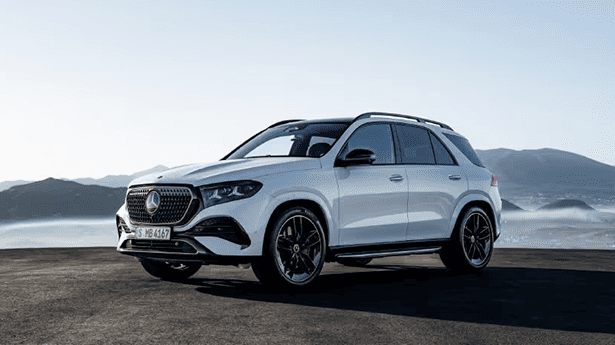
The 2026 Mercedes-Benz E-Class sedan, 2026 Mercedes-Benz GLE 4MATIC SUV, and 2026 Mercedes-Benz S-Class stand out as the top choices for long-distance highway travel along I-64 and I-75. These vehicles combine mild-hybrid powertrain efficiency with standard 4MATIC all-wheel drive, available AIRMATIC adaptive air suspension, and Active Distance Assist DISTRONIC to deliver exceptional ride stability, acoustic insulation, and long-range comfort across Kentucky interstates.
Navigating major interstate corridors requires a vehicle engineered to handle high-speed merging, variable pavement conditions, and heavy commercial truck traffic. Driving I-64 across the rolling terrain of the Inner Bluegrass region demands consistent engine torque and smooth transmission gear steps, while traveling I-75 calls for precise high-speed tracking and active noise suppression. Mercedes-Benz sedans and luxury SUVs address these specific road dynamics through engineered aerodynamics and advanced chassis technology.
For executive commuters based in Lexington, long drives along I-64 to Louisville or I-75 toward Cincinnati require a refined cabin environment that minimizes fatigue. The E 350 4MATIC sedan delivers this balance through a 2.0-liter turbocharged engine boosted by a 48-volt mild-hybrid system, offering 255 hp and 295 lb-ft of torque for seamless acceleration. Drivers seeking maximum interior space and elevated road sightlines often turn to the GLE 350 4MATIC SUV or the three-row GLS 4MATIC, both of which pair robust turbocharged engines with a 9G-TRONIC 9-speed automatic transmission for quiet, low-RPM highway cruising.
To explore these highway-focused models in person, visit our showroom at 2440 Richmond Rd or give our sales team a quick call at (859) 268-1150 to speak with a luxury vehicle specialist.
Which Mercedes-Benz Sedans and SUVs Deliver Top Highway Comfort and Driver Assistance?
Mercedes-Benz sedans and SUVs equipped with advanced driver assistance systems significantly reduce fatigue during long highway journeys. Features such as Active Distance Assist DISTRONIC, Active Steering Assist, PRE-SAFE® Impulse Side, and multi-contour front seats with massage capabilities keep drivers relaxed and secure during extended interstate travel.
Long stretches on interstate highways place high demands on driver posture and mental focus. Mercedes-Benz addresses physical stress through ergonomic seat engineering that includes multi-stage seat heating, active ventilation, and subtle micro-adjustments during long journeys. In the E-Class, multi-contour seats utilize air chambers that adjust dynamically to support the lumbar region and lateral torso during high-speed lane changes and long curves. Acoustic cabin insulation further enhances the driving atmosphere, using acoustic glass and specialized body seal dampening to eliminate wind and tire noise at highway speeds.
Semi-autonomous safety technology acts as an essential co-pilot on busy corridors. The Driver Assistance Package equips vehicles with intelligent radar and camera systems that continuously scan the roadway:
- Active Distance Assist DISTRONIC: Maintains a preset distance behind preceding traffic, automatically adjusting speed in stop-and-go highway slowdowns.
- Active Steering Assist: Provides gentle steering wheel torque to help keep the vehicle centered within designated highway lanes, even through gentle sweeping curves.
- Active Blind Spot Assist: Warns of vehicles approaching in blind spots and applies single-side braking intervention if a lane change is initiated unsafely.
- PRE-SAFE® Sound: Emits a protective pink noise frequency through the audio speakers seconds before an unavoidable collision to safeguard occupant hearing against sound pressure.
When commuters walk our showroom floor comparing sedans for long stretches on I-64, they almost always test the seat massage settings and cabin quietness before asking about secondary trim details. For drivers traveling north from Nicholasville to join I-75, these driver assist technologies significantly reduce physical fatigue during peak traffic hours.
Shoppers interested in exploring certified luxury options equipped with these advanced driver assist systems can browse our certified pre-owned inventory to view current availability.
How Does AIRMATIC Air Suspension Enhance Highway Ride Quality and Automatic High-Speed Lowering?
Mercedes-Benz AIRMATIC air suspension utilizes electronically controlled air springs with continuously adjustable damping to absorb highway expansion joints and road imperfections effortlessly. At cruising speeds on routes like I-64, AIRMATIC automatically lowers the vehicle ride height by approximately 0.6 inches, reducing aerodynamic drag, improving high-speed directional stability, and optimizing fuel efficiency.
The system combines air-filled spring struts with the Adaptive Damping System (ADS+), which calculates suspension damping requirements independently at each individual wheel. Sensors monitor vehicle speed, wheel acceleration, steering angle, and road surface resistance in real time, adjusting the shock absorbers within milliseconds. When driving over uneven pavement, bridge expansion joints, or rough surface transitions along I-75, AIRMATIC dampens vertical body movement before it transfers into the cabin.
Automated high-speed lowering is a central feature engineered directly into the suspension software:
- Aerodynamic Drag Reduction: As vehicle speed rises above cruising thresholds, the vehicle chassis lowers by roughly 0.6 inches to streamline airflow beneath the underbody.
- Enhanced Center of Gravity: Lowering the ride height lowers the vehicle's center of gravity, minimizing body roll during high-speed lane changes or emergency evasive maneuvers.
- Automatic Level Control: Regardless of passenger occupancy or rear cargo weight, AIRMATIC maintains a consistent, level body position to ensure headlight alignment and vehicle balance.
Standard on flagship models like the S 500 4MATIC and GLS 580 4MATIC, and available as an option on the E-Class sedan and GLE SUV, this chassis setup delivers exceptional high-speed poise. Drivers considering an upgrade to an air-suspension-equipped model can prepare for their purchase by valuing their trade-in online prior to visiting our dealership.
Which Mercedes-Benz Lineup Offers the Best Highway Fuel Efficiency and Longest Driving Range?
The Mercedes-Benz E 350 4MATIC sedan leads the non-plug-in lineup with an EPA-estimated rating of 24 mpg city and 33 mpg highway, enabling a highway driving range exceeding 500 miles on a single tank. For mid-size luxury SUVs, the Mercedes-Benz GLE 350 4MATIC delivers up to an EPA-estimated 28 mpg highway, while plug-in hybrid options like the GLE 450e 4MATIC offer extended electric-only range alongside turbocharged gasoline power.
Achieving superior fuel economy on long highway trips without sacrificing passing acceleration requires integrated powertrain technology. Mercedes-Benz incorporates an integrated starter-generator (ISG) within a 48-volt electrical system across its turbocharged engine lineup. This mild-hybrid technology assists the combustion engine during initial acceleration, enables smooth engine-off gliding at highway speeds, and harvesting energy during deceleration.
The GLE 450e 4MATIC plug-in hybrid expands efficiency further by combining a 2.0-liter turbocharged engine with an electric motor to produce a combined 381 hp. For daily commutes, drivers can operate in pure electric mode, while retaining the full range of the gasoline engine for long interstate journeys.
To review current model specs and explore available options, browse our new vehicle inventory and view our current dealership special offers.
How Do High Summer Highway Speeds Affect 4MATIC All-Wheel Drive Tire Wear?
Sustained high-speed driving on hot asphalt during summer accelerates tire tread wear across all vehicles, but on 4MATIC all-wheel-drive models, maintaining balanced tread depth is especially vital to preserve proper mechanical torque distribution. Routine tire rotations every 5,000 to 7,500 miles prevent uneven tread wear between axles and ensure optimal all-weather traction and handling stability on Kentucky highways.
Kentucky summer temperatures routinely heat asphalt highway surfaces well above ambient air levels. At cruising speeds of 65 to 70 mph on I-64 or I-75, continuous friction generates significant internal tire heat. Thermal expansion increases internal tire pressure, which can cause the center section of the tread to wear faster if inflation levels are not monitored regularly.
The 4MATIC all-wheel-drive system operates using electro-hydraulic multi-disc clutches or planetary differential gearing to send engine torque to the wheels with the best traction. Because the system relies on wheel speed sensors to detect slippage, significant differences in tire circumference between the front and rear axles—caused by uneven tread wear—can create subtle rotational speed discrepancies.
To protect both the 4MATIC drivetrain and maximize tire lifespan, vehicle owners should adhere to a disciplined tire maintenance routine that includes regular inspections and proper inflation management:
- Schedule Rotations Regularly: Rotate tires every 5,000 to 7,500 miles to distribute cornering and braking forces evenly across all four tires.
- Monitor Cold Inflation Pressures: Check tire pressures monthly when the vehicle has been parked for at least three hours, adjusting to the OEM specifications listed inside the fuel filler door.
- Inspect Tread Depth Consistency: Ensure that all four tires maintain tread depth within 2/32 of an inch of each other to maintain accurate sensor inputs for the 4MATIC computer module.
- Maintain Wheel Alignment: Annual wheel alignment checks prevent uneven edge wear caused by pothole impacts or rough road surfaces encountered along interstate construction zones.
Common Questions About Selecting a Highway-Focused Mercedes-Benz
Q: Does AIRMATIC air suspension come standard on all Mercedes-Benz luxury sedans?
AIRMATIC air suspension is standard equipment on flagship models such as the Mercedes-Benz S-Class sedan and GLS 580 4MATIC SUV, while serving as an available option on mid-size models like the E-Class sedan and GLE SUV. Vehicles equipped with standard steel spring suspensions still feature selective damping systems, but upgrading to AIRMATIC adds self-leveling capabilities and automatic high-speed vehicle lowering for enhanced highway aerodynamics.
Q: What driver assistance features are included as standard on the Mercedes-Benz GLE SUV?
The Mercedes-Benz GLE SUV comes equipped with standard Active Brake Assist automated emergency braking, blind-spot monitoring with rear cross-traffic alert, and PRE-SAFE® sound protective systems. Drivers seeking semi-autonomous highway capability can add the Driver Assistance Package, which introduces Active Distance Assist DISTRONIC adaptive cruise control, Active Steering Assist, and lane-keeping intervention for long interstate commutes.
Q: How far can a Mercedes-Benz E 350 4MATIC travel on a full tank of fuel?
Featuring a fuel tank capacity of approximately 17 gallons and an EPA-estimated highway rating of 33 mpg highway, the Mercedes-Benz E 350 4MATIC sedan offers an estimated highway cruising range of over 550 miles. This long range minimizes the need for frequent fuel stops during multi-state trips along major corridors like I-64 and I-75.
Q: Is 4MATIC all-wheel drive necessary for driving interstates in Kentucky during winter?
While standard rear-wheel drive handles dry highway conditions well, 4MATIC all-wheel drive provides crucial traction when navigating winter precipitation, sudden downpours, and slick bridge surfaces across central Kentucky. The system continuously monitors wheel slip and distributes engine torque to the axles with the most grip, providing enhanced stability and vehicle control at cruising speeds.
Q: Does automatic high-speed lowering in AIRMATIC require manual driver activation?
Automatic vehicle lowering with AIRMATIC air suspension operates entirely without manual intervention when driving in standard or comfort drive modes. When the vehicle maintains cruising speeds above typical highway thresholds, the air suspension lowers the chassis by approximately 0.6 inches to reduce aerodynamic drag, automatically returning to standard ride height as vehicle speed decreases.
Prices and MSRP referenced in this article are estimates for informational purposes only and do not constitute an offer to sell. See dealer for complete details. Fuel economy estimates shown may differ from official EPA ratings and should not be relied upon as a guarantee of actual vehicle performance.


