
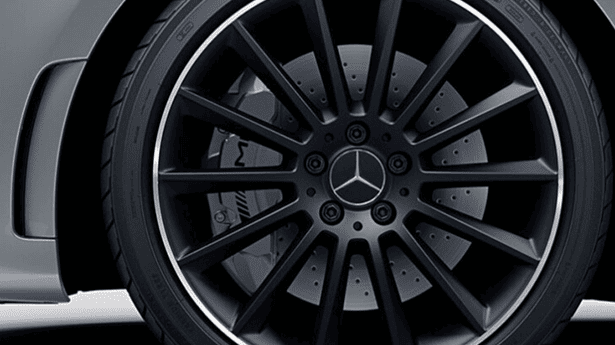
To manage 2026 Mercedes-Benz tire pressure during cold weather, inspect and adjust all four tires when cold—after the vehicle has been parked for at least three hours—setting them precisely to the PSI values specified on the driver door pillar placard. Air naturally contracts in lower temperatures, dropping roughly 1 PSI for every 10°F decrease in ambient temperature. Check inflation levels monthly throughout winter and restore baseline values in the display menu whenever air is added.
As autumn transitions into winter across the rolling hills of Lexington, autumn mornings bring rapid temperature shifts that directly affect pneumatic pressure inside your tires. Mercedes-Benz engineering relies on precise tire inflation to maintain the calibrated dynamics of systems like adaptive suspension and Active Brake Assist. When ambient temperatures plummet overnight, the resulting density change reduces internal tire pressure without any physical puncture or valve failure occurring.
Proper tire maintenance begins with setting baseline pressures under cold conditions. Checking tires after a commute or prolonged highway driving yields inflated readings caused by friction heat, which misleads manual pressure gauges and leads to underinflation once the tire cools down again. Utilizing a reliable digital or analog pressure gauge before starting your morning drive ensures that each tire meets factory recommendations.
When pressure drops significantly, driving on soft sidewalls compromises handling, increases rolling resistance, and unevenly wears exterior tread shoulders. Maintaining recommended pressures preserves cornering stability, optimizes emergency braking distances, and protects high-performance light alloy wheels from impact damage caused by winter road imperfections. For localized assistance or dedicated seasonal tire inspections, stop by our Lexington service location or speak directly with a service advisor at (859) 268-1150.
Why Does the Mercedes-Benz TPMS Warning Illuminate During Temperature Drops?
The Mercedes-Benz tire pressure monitoring system illuminates during temperature drops because air inside the tire contracts, lowering internal pressure until it crosses the system activation threshold. Direct tire pressure monitoring systems use wheel-mounted radio frequency sensors to measure inflation continuously, triggering an illuminated amber dashboard symbol whenever pressure falls approximately 25% below the recommended cold inflation pressure.
The physical principle driving this seasonal phenomenon is basic thermodynamics. Air expands when heated and contracts when cooled. In automotive applications, passenger vehicle tires experience a pressure reduction of approximately 1 PSI for every 10°F drop in ambient air temperature. A vehicle adjusted to 35 PSI during a mild 65°F afternoon will register roughly 30 PSI when morning temperatures dip to 15°F. If your vehicle’s stored baseline was already slightly low, that overnight thermal contraction easily pushes inflation below the system's warning trigger.
Late-model Mercedes-Benz sedans and SUVs, including the GLC 300 and GLE 350, incorporate sophisticated direct monitoring technology that transmits real-time telemetry from each wheel module directly to the central gateway control unit. This real-time monitoring works in tandem with advanced driver assistance systems to ensure optimal vehicle safety. When cold air reduces internal volume, the wheel sensor registers the drop and instantly sends a signal to illuminate the warning lamp on the driver display panel.
Understanding this thermal behavior prevents unnecessary worry when seasonal cold snaps arrive. While a sudden drop in ambient temperature is the most common cause of multi-tire low pressure warnings in late autumn, physical hardware components can also contribute to subtle air loss. Valve stems, valve cores, and rubber sealing washers harden in freezing weather, occasionally allowing trace amounts of air to escape around the wheel rim bead. If a replacement valve assembly or specialized wheel hardware is required, genuine components from our OEM parts department ensure a factory-grade seal and perfect sensor compatibility.
Where to Find Placard Pressure and Why You Should Never Overinflate Winter Tires
You can find the correct cold tire inflation pressure for your Mercedes-Benz on the official vehicle placard located on the driver-side B-pillar door jamb, as well as inside the fuel filler flap. You should never intentionally overinflate tires above these manufacturer cold specifications during winter, as overinflation reduces the tire contact patch, compromises winter grip, and accelerates center-tread wear.
The vehicle placard on the door pillar outlines the baseline cold inflation figures designed specifically for your vehicle model, gross axle weight ratings, and standard tire dimensions. On many luxury Mercedes-Benz vehicles, an additional detailed placard sits inside the fuel filler door. This supplementary chart provides adjusted pressure specifications based on vehicle loading conditions—such as driving with full passenger capacity—and higher highway cruising speeds. Always reference these manufacturer numbers rather than the maximum pressure figure stamped onto the tire sidewall, which merely indicates the maximum structural limit of the rubber casing rather than the vehicle’s engineered baseline.
When cold weather causes tire pressures to drop, some drivers attempt to preempt future thermal drops by overinflating their tires beyond recommended limits. This practice counteracts the vehicle's dynamic design principles:
- Reduced Contact Patch: Overinflating rounds out the tire tread profile, decreasing the amount of rubber touching the road surface and reducing overall traction on slick or wet surfaces.
- Harsh Ride Quality: Excessive internal pressure stiffens tire sidewalls, causing harsh impacts over expansion joints and winter potholes that bypass the dampening characteristics of the suspension.
- Irregular Tread Wear: Elevated pressure concentrates vehicle weight along the center ribbon of the tread, leading to premature center wear while leaving shoulder tread underutilized.
- Compromised Handling: Stiffened, overinflated tires reduce mechanical grip during cornering, affecting handling balance and traction control calibration.
The correct protocol involves inflating tires strictly to the recommended cold PSI listed on the pillar placard while the vehicle is at outdoor ambient temperature. Checking and correcting pressures monthly ensures accurate inflation without degrading safety or ride refinement.
How to Tell the Difference Between Cold-Weather Pressure Drops and Tire Leaks
A cold-weather pressure drop affects all four tires uniformly across ambient temperature fluctuations, whereas a mechanical leak causes progressive, continuous pressure loss in a single tire. If one specific wheel consistently loses air while the remaining three hold stable pressure, a nail puncture, valve stem failure, or alloy wheel bead leak is the underlying cause.
Thermal pressure changes affect every wheel on the vehicle in a predictable, consistent manner. When cold weather hits Central Kentucky, all four tires experience similar pressure drops because they are exposed to the same ambient atmospheric changes. Conversely, a localized leak targets an isolated tire casing. Monitoring real-time pressure readouts on the instrument cluster display allows drivers to spot single-wheel anomalies before structural tire damage occurs.
When drivers visit our service drive after a cold snap, they often ask why the warning light activated even though the tire shows no visible sag on the driveway. Modern radial tires feature reinforced sidewalls that maintain their structural shape even when operating 20% below recommended inflation limits, making visual inspection alone unreliable for detecting low pressure.
Suburban commuters traveling along route corridors in Nicholasville frequently encounter road debris and seasonal pavement cracking that can compromise tire seals. To differentiate between weather-related drops and mechanical failures, review these diagnostic indicators:
- Symmetrical Inflation Loss: All four tires dropping 2 to 4 PSI simultaneously indicates normal thermal contraction due to falling outdoor temperatures.
- Isolated Pressure Loss: A single tire reading 6 PSI or more below the remaining three indicates a slow puncture or rim seal issue.
- Persistent Pressure Loss After Refilling: A tire that drops below target threshold within 24 to 48 hours of being topped up requires professional dismounting and submerged leak testing.
- Flashing Dashboard Warning: A TPMS indicator that flashes for 60 to 90 seconds upon startup before remaining solid signifies a system communication error or sensor battery depletion rather than simple pressure loss.
Driving extended distances on a chronically leaking or underinflated tire causes internal friction heat, damaging the inner rubber liner and risking sudden casing failure. Prompt diagnostic inspection resolves slow leaks before they compromise highway safety.
How Do You Reset the Tire Pressure Monitoring System Light on a Mercedes-Benz?
You reset the Mercedes-Benz tire pressure monitoring system light by inflating all four cold tires to their placard-recommended PSI, turning the ignition on, navigating through the instrument cluster display to the Service menu, selecting Tire Pressure, and confirming the prompt to restart the system with current values. Once confirmed, driving the vehicle for a few minutes allows the system to calibrate and clear the warning light.
Late-model Mercedes-Benz vehicles equipped with steering wheel touch-control pads and the MBUX infotainment architecture streamline the calibration process directly through the digital driver display. Storing the new reference values tells the vehicle computer that the current cold pressure represents the correct benchmark for future monitoring.
Follow this standard procedure to restart the system on most modern Mercedes-Benz models:
- Inflate Tires Cold: Ensure all four tires—and the compact spare if equipped with a sensor—are filled to the exact cold PSI listed on the driver door jamb placard.
- Switch Ignition On: Sit in the driver seat and press the Start/Stop button twice without depressing the brake pedal, placing the vehicle in electrical accessory mode.
- Navigate to Service Menu: Use the left steering wheel touch control pad to scroll horizontally to the Service menu tab on the instrument display.
- Select Tire Pressure: Scroll vertically to select Tire Pressure and press the touch control button to open the real-time pressure screen.
- Restart Monitoring System: Press the down button or OK prompt to bring up the restart prompt ("Use Current Pressures as New Values?"). Select Yes or Restart.
- Drive to Complete Calibration: Drive the vehicle above 15 mph for several minutes. The system will store the baseline readings and extinguish the amber warning light.
If your vehicle uses an indirect monitoring system that measures rotational wheel speeds through ABS sensors, performing this manual reset is mandatory after every pressure adjustment or tire rotation. Without storing the new baseline, the control unit continues comparing current wheel rotation speeds against old reference data, resulting in false warning alerts.
If the amber light flashes continuously upon startup or fails to clear after completing a reset and drive cycle, the control unit has detected a hardware fault. A depleted sensor battery, damaged transponder antenna, or uncalibrated module requires specialized OBD-II diagnostic scanning to identify and resolve the underlying code.
Frequently Asked Questions About Mercedes-Benz Tire Pressure Care
Q: How cold does it have to get before my Mercedes-Benz tire pressure light turns on?
There is no fixed ambient temperature threshold that automatically triggers the warning light. Instead, the alert depends on how much pressure is lost relative to your stored baseline. Because air pressure decreases by roughly 1 PSI for every 10°F drop in temperature, a rapid 20°F to 30°F overnight temperature drop reduces tire pressure by 2 to 3 PSI. If your tires were already running near the lower limit of the recommended baseline, that sudden thermal shift is enough to cross the activation threshold and trigger the dashboard light.
Q: Do Mercedes-Benz TPMS sensor batteries need to be replaced periodically?
TPMS sensors contain internal lithium-ion batteries sealed within the sensor assembly mounted on the wheel rim. These batteries typically feature an operational lifespan of 5 to 10 years depending on annual driving mileage and climate exposure. Because the internal batteries are molded into the transponder housing, individual battery replacement is not possible. When a sensor battery depletes, the entire wheel sensor assembly is replaced and recalibrated to the vehicle’s central gateway module.
Q: Will driving on warm tires automatically turn off the TPMS warning light?
Driving generates friction heat that warms the air inside the tire, increasing internal pressure and sometimes causing the warning light to turn off temporarily. However, relying on driving heat does not resolve underlying cold-temperature underinflation. Once the vehicle parks and the tires cool back down to ambient outdoor temperatures, the internal pressure will drop right back below the recommended threshold. Tires must always be adjusted cold and set to the placard specification to ensure proper operation.
Q: Should I adjust my tire pressure if I park my vehicle in a heated garage?
When a vehicle is parked in a 65°F heated garage and then driven out into 25°F freezing outdoor weather, the air inside the tires will drop roughly 4 PSI as the rubber cools on the road. To compensate for this indoor-to-outdoor temperature differential, add approximately 1 PSI to the door placard recommended value for every 10°F difference between the garage temperature and the outdoor ambient temperature. This ensures the tires maintain the correct operating pressure once exposed to cold roads.
Q: What happens if I ignore a steady TPMS warning light during winter?
Ignoring a steady tire pressure warning light increases vehicle stopping distances, reduces steering responsiveness, and accelerates uneven tire tread wear. Driving on severely underinflated tires generates excess sidewall flexing and heat accumulation, which can cause internal casing degradation or sudden tire failure. Proper tire inflation is essential for the accurate operation of safety technology like electronic stability control and Active Brake Assist, making timely pressure maintenance vital for winter driving safety.
For expert seasonal tire maintenance, professional diagnostic scans, or genuine replacement parts, contact our team at (859) 268-1150 or visit our Richmond Road facility. You can also easily arrange your next maintenance check through our online service appointment tool to ensure your vehicle remains completely prepared for winter road conditions.
Prices and MSRP referenced in this article are estimates for informational purposes only and do not constitute an offer to sell. See dealer for complete details. Fuel economy estimates shown may differ from official EPA ratings and should not be relied upon as a guarantee of actual vehicle performance.


